
Welcome to our fourth interview installment with 4th Place Grand Prize Winner, Natasha Weber!
Over the past few weeks, we’ve been featuring interviews with the winners of the April 2022 Short Fiction Contest so you can get to know the authors behind the stories. If you’d like to get caught up on the interviews, check out these links:
1st Place Grand Prize Winner: DoubleBlind
2nd Place Grand Prize, 3rd Place People’s Choice: Kelsey Josephson
3rd Place Grand Prize, 2nd Place People’s Choice: Chandra Snicker
Natasha, who publishes most of her work under the loveable pen name RatTheBrave, stole our hearts with her imaginative story “Fake Boy: Pinocchio Retelling”, a distinctive sci-fantasy reimagining of the original 1883 novel-length fairy tale, The Adventures of Pinnochio, by Carlo Collodi. We loved the representation of the marginalized in this story, giving a voice to misunderstood characters without relying on clichés or overused tropes.
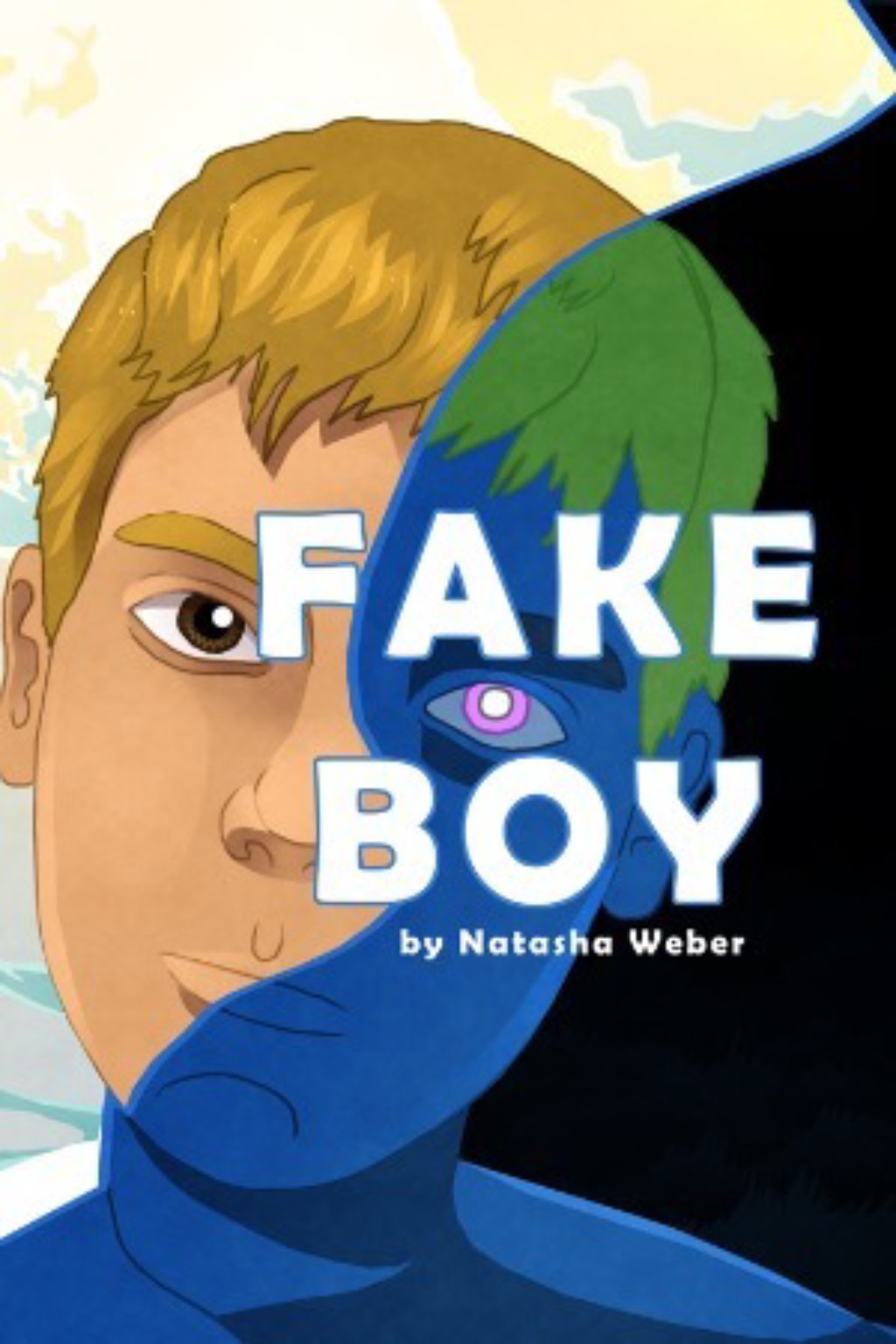
Natasha keeps us grounded in the original story, giving it a modern transformation with gritty cityscapes and surreal, dreamlike landscapes alike, keeping us glued to the page.
Fake Boy: Pinocchio Retelling
In “Fake Boy”, we meet a young boy named Pan, who immediately steals readers’ hearts with his less-than-ideal life, scraping by in a dangerous part of town, in a small shack he shares with his father.
Pan struggles in almost all aspects of his life. He and his father are poor, but his father tries to give him a clean home and warm food in his belly. But despite his father’s kindness and attempts at taking care of Pan, Pan feels anger for his father for artificially creating him in a test tube. Thus, Pan feels he’s a “fake boy,” instead of seeing himself in the mirror as a cyborg with metal skin.

The only way Pan really feels alive is to “be bad”—getting in trouble at school, skipping class, and smoking cigarettes at the young age of ten. Otherwise, he feels his senses are dulled as if the world becomes muted and out of focus unless he’s pushing the boundaries of right and wrong.
Then one day, much like the original Pinnochio, Pan meets an odd couple—a cat-woman and a fox-man—who promise him a wonderful life of living on an island with other kids like him, never having to answer to adults, having everything he ever dreamed, including fame and fortune. To a ten-year-old, this sounds like a dream.
In another imaginative nod to the original story, Pan has the memory of a friend he calls Cricket, who acts as his conscious throughout the story, just like Pinnochio’s friend and conscious, The Talking Cricket (known as Jiminy Cricket in the Disney version).

The story as a whole, like the source material, makes us question what humanity is, and how to go about finding it. Natasha’s fresh take on the original fairy tale, with Pan trying to navigate the world with a mental illness, makes this story relatable, engaging, and a must-read on our site.
Author Biography:
Natasha is a behavior tech completing her BCBA who moonlights as a writer. She dreams of being a full-time writer but understands that dreams can only be had at night. In the meantime, she must work a day job. She loves constructing in-depth themes and characters and bases the worlds she writes around those characters and themes. She loves digging into the skulls of her characters to find out what makes them tick and likes forming unexpected heroes/heroines. Natasha loves playing video games, reading, watching movies, and hanging out with her family when she is not writing or working.
Author Interview:
How did you get into writing? How old were you?
I was about ten years old when I really started getting into writing. I had a weird dream about a girl dressed all in red and wrote a short story about it. My sister liked it and said I had talent, so I haven’t really stopped writing since. I also tried to write a book around that age. It was really bad. It had angels and was essentially baby’s first novel.
Which writers are your biggest influences?
I have a lot. Growing up, I wasn’t really a big reader. My parents did their best to get me into it, and even assigned me things to read as a really young kiddo since I was homeschooled, but I just wasn’t into it. It wasn’t until they took me to a bookstore in my early teens and let me choose my own book to read that I finally really got into it. The first thing I remember reading is The Wind Singer by William Nicholson. The book series was really weird—there were literally creatures called Old Children in them. It was up my alley since I like weird, unique ideas.

From there, I read The Bartimaeus Trilogy by Jonathan Stroud which was another one of my favorites. The series was just so humorous and yet sad and poignant at the same time. I literally cried and had belly laughs while reading it. Since then, it’s been a goal of mine to evoke just some sort of emotion in my work, even if it’s a negative one like disgust because emotions stick with you better than anything. Dune by Frank Herbert is brilliant, of course, and recently I have been reading The Last Temptation of Christ [by Nikos Kazantzakis], which is an absolute work of art in the language it uses and the emotions it evokes.
Lastly, I dunno if this counts, but I played this old Square Enix game called Xenogears two or three years back, and I don’t know who the writer was, but man, that game has been one of my big inspirations for a while now. Videogame RPGs were honestly my books when I was growing up since I refused to read at first.
You mostly write sci-fi and fantasy. Why are these your favorite genres?
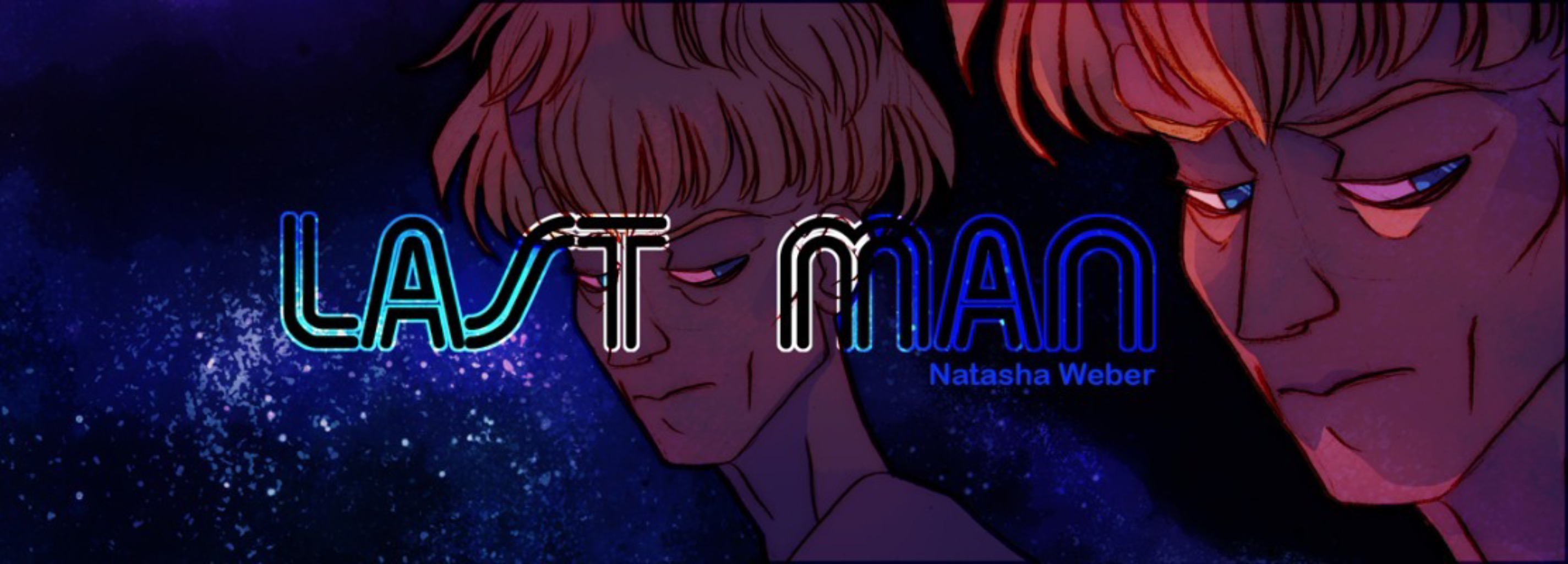
I love sci-fi because it explores the soul of humanity in a futuristic setting. For example, I love the gom jabbar scene in Dune because there’s this great line from the Reverend Mother about the test proving whether or not Paul is human. I found this scene fascinating. I never thought of being human as being able to endure great pain before I read Dune, and it made me think. Great stuff like that is what intrigues me so much about sci-fi. For my sci-fi story, Last Man, which is published on Fictionate, I wanted to explore a world where there is only one man left and everyone else is a woman and how that might impact the women themselves and the world.
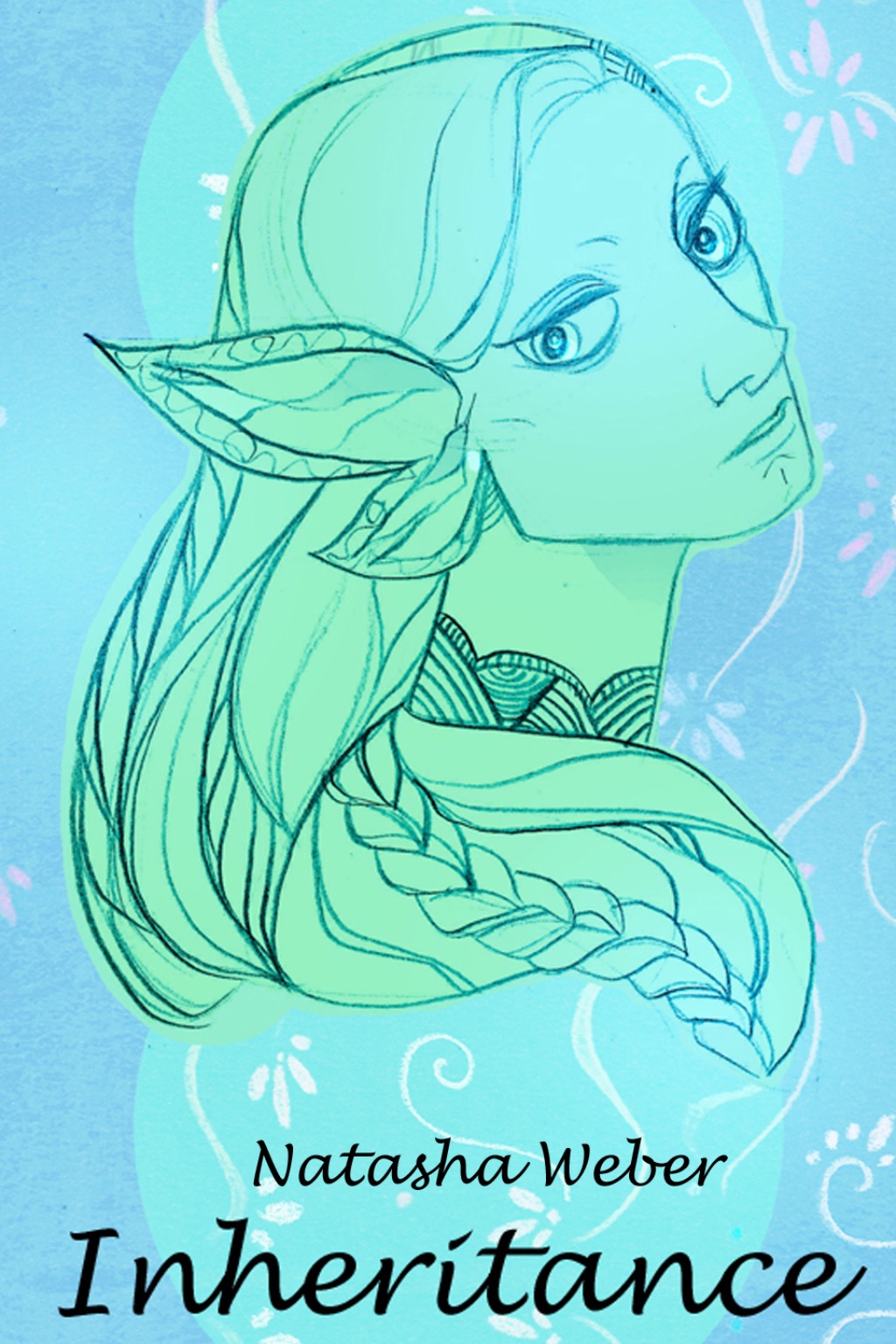
I love fantasy because of the freedom! Sure, you still need limits to write good fantasy stories, but I like coming up with vast worlds with few restrictions. I have discovered in recent years that I love developing fantasy races, too. Coming up with the cultures for my fantasy story, Inheritance, has been a blast.
I have also just been a big fan of fantasy since I was little, though. I used to read a lot of fantasy books, and they are what got me into reading. Still do, but I have definitely veered away from YA since I am old now. I am not one of those downers who thinks fantasy has to have almost no magic to be convincing or good, though. I love magic and I think it’s what makes fantasy special. Coming up with different parameters for magic is also a favorite of mine.
Tell us what your writing routine looks like. What’s the key to creating a routine in your opinion?
Well, like most people, I work every day of the week except Sundays and Tuesdays. After I go to work and finish all work-related duties at home, I will usually go right to writing if I have time (usually in the evening). I aim to at least write 1000 words whenever I work on a story. However, if I see I have been writing for more than two hours, I will often require myself to stop for my own sanity. There are some days when I acknowledge that I’m just too tired to write and I decide to spend that time playing video games instead.

I think those mental health days are important to keep up your steam, but it’s also important that you don’t let them become a habit. I think consistent writing is the key to finishing your work, and if you’re lax for too long, a new routine that does not include writing will overtake your previous routine.
On Fictionate.Me, you publish chapter by chapter. Do you write your entire story first, then post it one chapter at a time, or do you write as you go?
What I do is write way ahead to build up a big buffer. I have almost finished with Last Man doing this method and I am... not anywhere near finishing with Inheritance. I love that story, but it’s also a pain in the tush. I love building up a buffer and writing as I go because having an audience while writing was what sustained me in the past to keep going. These days, I think writing has become self-reinforcing, so I may not need an audience while I write anymore, but I look forward to the comments I get on my stories and they do still keep me motivated to write. Writing a whole book with no audience would be very hard to do.
What is your advice for a new writer looking to self-publish their work?
My advice would be to start with some short stories and build up to writing a complete novel. I think what happens to a lot of people is they start writing a story, find out there wasn’t enough to the idea to build a complete novel off of [it], and then they give up. I have read dozens of sad stories on various writing forums expressing this. I do think writing is not the best medium for some people to begin with, either. If you find you keep trying several different stories rather than just finishing one or two, then it might be better to find a different method of expressing your ideas (e.g., drawing, sewing, crafting).

Regardless, starting out with short stories just to see if you can finish a story is a great way to go. Also, don’t be nervous! You never know unless you try. Obviously, don’t expect to immediately get a huge audience, but in order to make a go of writing, you need to be seen in the first place and show you are consistent and brave enough to share your ideas with the world!
You have three works self-published on the site. Do you have any traditionally published works? Do you prefer self-publishing, and why?
I submitted two [stories] to a site called Secret Attic and they were accepted and included in their little booklets, but they were primarily internet-based, so I don’t think it counts. I 100% prefer self-publishing. As I stated earlier, I find it is hard to find motivation to write if I don’t already have an audience, and you need to forego a wider audience if you plan to traditionally publish. You really have to be self-motivated to be able to write a complete story, only share it with your friends and family for feedback, be willing to edit it yourself over and over, and finally, send it into a million different publishers who are probably going to reject it.

I’ve only tried traditional publishing once with one of my short stories, and it took months just for them to reject the story. I only got feedback from one of the rejections, and frankly, those magazines were hoity-toity, anyway. People also usually forget that, even if you get published, it does not mean your story will be a hit. Not every traditionally published story sells well.
There’s also meddling from publishers that you have to deal with, too. I write really weird, psychological, thematic stories that don’t fall into too many familiar tropes, so I know I would probably never be accepted by a publisher, anyway. Publishers prefer stories that are familiar that the author can pitch as a mix of two things that are already published, and I don’t think I could pitch any of my stories like that. I just love the freedom of self-publishing, too. I make my own deadlines, construct stories the way I want to, and hire the editors I want to. I got Inheritance professionally edited just recently and plan to finally sell it for a dollar sum (probably just a dollar, teehee).
Tell us about the inspiration for your winning story, “Fake Boy”. (It was a huge hit with the staff btw!!).
So happy the story was a hit with y’all! A lot of my inspiration for the story came from reading the original story it was based on. Pinocchio has been my favorite Disney movie for a long time, and before I started writing the story, I wanted to make sure I read the book so I could be respectful to the source material. And lo and behold, as usual, the book was better than the movie. Which is saying something because the Disney movie really is a work of art, too.

While reading the story, I knew from the start that I wanted to keep the moral of the original in-tact—that you need to earn your humanity by being good—and I already knew that the twist I wanted to have was that he perceived—or perhaps the world was—fake. The original was really a fascinating story because Pinocchio suffers heavily for the choices he makes, and from a modern reader’s standpoint, they probably would perceive him as suffering unduly. A lot of the things he does don’t seem like that big of a deal. But I think the story was kind of brilliant because bad choices compound and can really ruin a person’s life. I wanted to take this concept and convert it for a modern audience.
Life in the past was difficult in different ways than life is for modern readers. In the original story, Pinocchio is punished for avoiding things that he finds hard to do—or is lured away from them by the promise of getting what he wants with less effort. In my story, Pan is not punished for doing bad things and is rewarded in a lot of ways, but still ends up miserable. Deep down, he knows that he could do better and even wants to do better but he has a lot of excuses—both genuine, and not genuine. I feel like this fits a modern audience—myself included—a bit better.
The MC in “Fake Boy” deals with mental illness, and this resonates with many modern readers. How do you choose themes you know will be relatable to your audience, like themes of coping with mental illness?
I make themes that resonate and are interesting to me, personally, and therefore, I think they will resonate with audiences as well. There has been a big leap in the number of people experiencing mental illness in recent years—the statistics are a bit alarming—and these mental illnesses often interfere with people’s abilities to get jobs and pursue personal goals, which is another reason why I think this story might resonate with people and why I picked mental illness as one of the themes.

To be fair, I think all humans are mentally ill to some extent—it just goes with the territory of being a highly-intelligent being, which is why the other theme of the story is “what makes someone human?” Pan is fixated on the fact that he doesn’t think he’s a real boy in the story, but his problems go much deeper than that, and he almost uses his mental illness as an excuse not to deal with his more profound problems.
What is your advice for someone who is just getting started on their writing/publishing journey?
Be brave and be excellent! Your first story doesn’t have to be perfect, but I think it should be something that you, personally, are passionate about—not something you make to become famous, otherwise, you will probably never finish it. I also highly suggest self-publishing on a writing platform because it is helpful in gaining an audience and author friends. I’ve met a lot of cool people through the forums on various websites who genuinely like and support my work, and meeting these people really keeps up your motivation and passion for writing.

Also, do read-for-reads on forums! Feedback is very helpful, but you also need to keep in mind that not all feedback is good feedback, and you need to listen to your intuition to judge whether a critique is helpful to you or not. Also, be consistent! Try to write a certain amount of words each day! I am one of those cruel people who doesn’t believe that writer’s block exists, so there is no excuse not to find at least an hour a day to do some writing! Keep in mind you can always edit if what you wrote was vomit on a page and needs cleaning up.
Just for fun: Name your favorites and tell us why you love them!
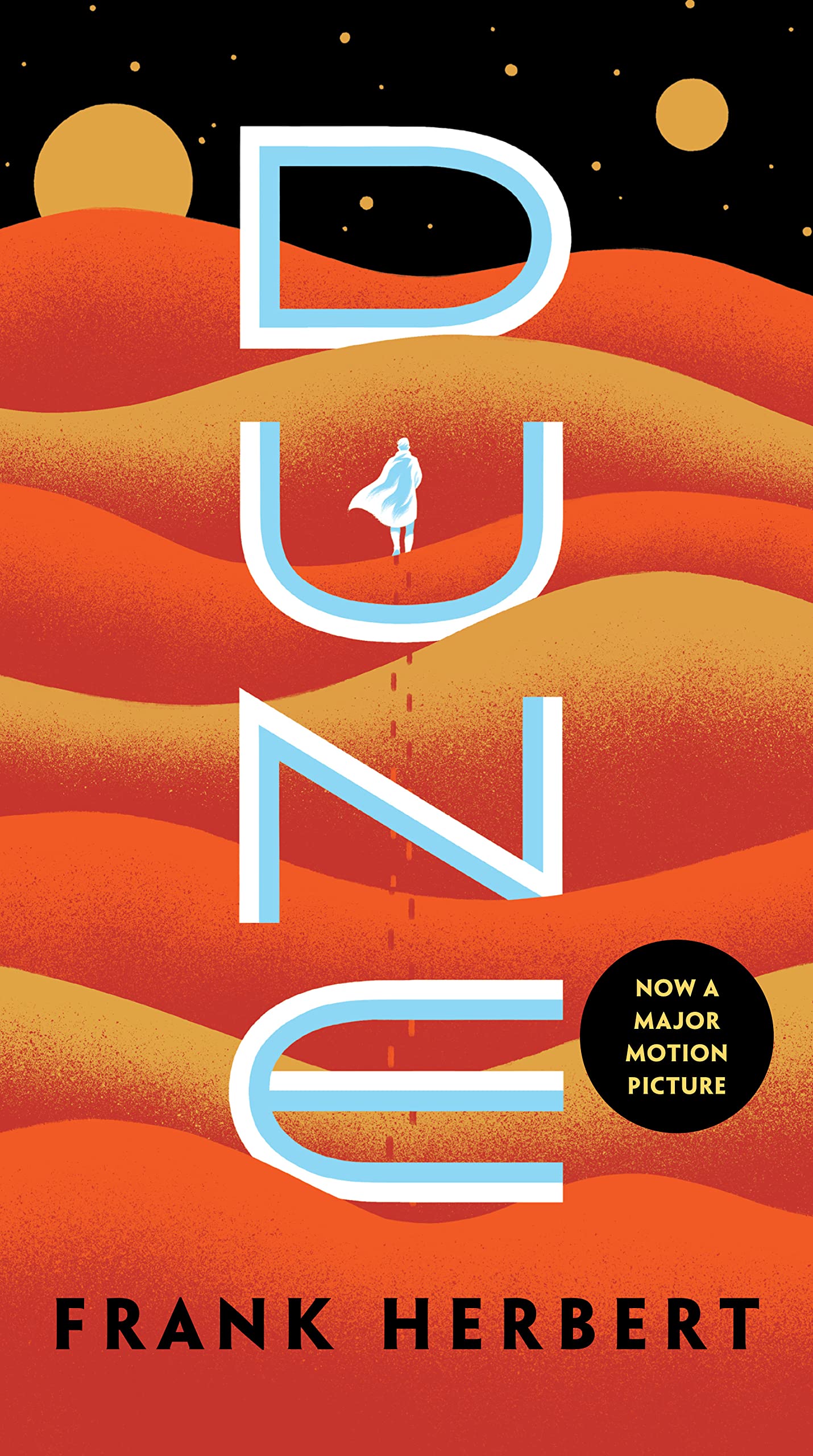
Books: Dune, The Bartimaeus Trilogy, The Last Temptation of Christ, The Skystone [by Jack Whyte], and many more. I already kind of went into why I love all of these, but I will just say briefly that I love Dune because of the way it is written (Paul’s POV is fascinating in particular since he flashes forward to the future); I love The Bartimaeus Trilogy because it is hilarious and yet heart-wrenching at the same time (the footnotes are also an incredibly unique and funny touch to the books); and The Last Temptation of Christ because of the beautiful language it utilizes and how it gets to the heart of what makes Christ so inspiring.
Movies: Ben-Hur (1959), Gone With the Wind (1939), Akira (1988), The 400 Blows (1959), Pinocchio (1940), Princess Mononoke (1997), and of, course, Star Wars (the OT) and many more. Looking at these movies, I guess I’m a bit of an old soul. Ben-Hur is my absolute favorite movie because the writing is just so good, and we get to see the main character transform in such a believable way throughout it. Akira is great because it is so bizarre, cold, and lonely, and yet so emotional, too. Star Wars often gets waved away as kid’s stuff, but I think people misunderstand just how brilliant and unique the ending of it is. Usually, the hero cuts down the villain, but Luke literally disarms himself and relies on the villain to do the right thing. It’s good stuff. Anyway, all the movies listed are very deep and interesting and made a visceral impact on me.

Food: I adore spaghetti, but my naturopath won’t let me eat it. Still my favorite, though. I also like fish and veggies.
Shows: Breaking Bad, I Claudius, Quantum Leap, Attack on Titan, Trigun, Neon Genesis Evangelion, and Justice League. Breaking Bad, is, of course, a flawless masterpiece as is I, Claudius. I think if you want to be a good writer, these shows are imperative to watch! Attack on Titan has some brilliant twists and some awesome character development, and Evangelion is a big inspiration to my works because it evokes so many emotions in me. Honestly, Evangelion is the show that convinced me that all emotions, even disgust, are important for your audience to feel. Trigun has some surprisingly poignant moral and ethical questions posed. I highly recommend them all!

We’d like to thank the brilliant and delightful Natasha for taking the time to interview with us at Fictionate, and we can’t wait to see what the future holds for this talented genre-defying author! Check out more of her work on Tapas and Neovel.
To read all of the winning entries, including the other anthology contributors, click here. Some are still free for a limited time!
Stay tuned for more news and updates on the anthology, coming soon to Fictionate.Me and Amazon.
Follow us on Facebook | Instagram | Twitter | Discord
Check out our app on iOS and Android!